….. The More You Know Series

frame (1)
lid, front part (2)
capo bar (3)
dusítko (4)
lid, back part (5)
damper mechanism (6)
sostenuto rail (7)
pedal mechanism, rods (8, 9, 10)
pedals: right (sustain/damper), middle (sostenuto), left (soft/una-corda) (11)
kobylka (12)
hitch pin (13)
rám (14)
rezonanční deska (15)
struna (16)
Authors. See Attributions Page

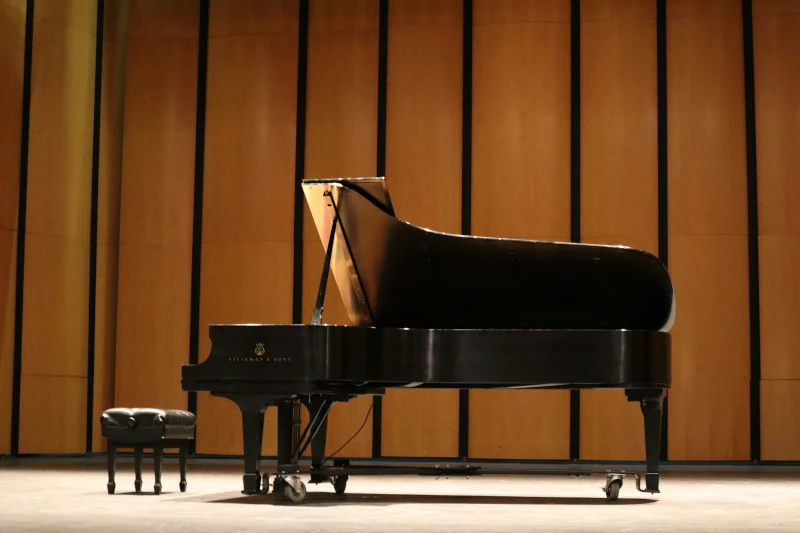
Piano was invented approximately in 1700 in Padua, Italy, by the harpsichord maker Bartolomeo Cristofori.
Key Origins and Precursors
Later Development
- Original Name: Cristofori called the instrument gravicembalo col piano e forte (meaning “harpsichord that plays soft and loud”), which was later shortened to pianoforte and eventually piano.
- The Core Innovation: Unlike the harpsichord—which plucked strings with a quill or plectrum and offered no volume control—Cristofori designed a hammer action that struck the strings. This allowed players to change volume based on how hard or soft they pressed the keys.
- Earlier Instruments: The piano evolved from a mix of older ideas, including:
- The Dulcimer: An ancient string instrument with struck strings.
- The Clavichord: A 14th-century keyboard instrument that used small metal blades (tangents) to strike strings, though it produced a very quiet sound.
- The Harpsichord: A keyboard instrument popular in the Renaissance and Baroque eras that plucked strings rather than hammering them
- German Improvements: In the 18th century, German maker Gottlieb Silbermann built upon Cristofori’s design and added a precursor to the sustain pedal.
- Modern Iron Frame: In the 19th century, American maker Alpheus Babcock and European manufacturers introduced heavy cast-iron frames. This allowed for much greater string tension, giving the instrument the power and volume needed for modern concert halls
Welcome To A commitment to Music Art, The Physics of Sound, Instrument Acoustics, and How These Relate To Musical Expression.
Key Origins and Precursors
Original Name: Cristofori called the instrument gravicembalo col piano e forte (meaning “harpsichord that plays soft and loud”), which was later shortened to pianoforte and eventually piano.

The Core Innovation: Unlike the harpsichord—which plucked strings with a quill or plectrum and offered no volume control—Cristofori designed a hammer action that struck the strings. This allowed players to change volume based on how hard or soft they pressed the keys.
Earlier Instruments: The piano evolved from a mix of older ideas, including:
The Dulcimer: An ancient string instrument with struck strings.
The Clavichord: A 14th-century keyboard instrument that used small metal blades (tangents) to strike strings, though it produced a very quiet sound.
The Harpsichord: A keyboard instrument popular in the Renaissance and Baroque eras that plucked strings rather than hammering them.
Later Development
German Improvements: In the 18th century, German maker Gottlieb Silbermann built upon Cristofori’s design and added a precursor to the sustain pedal.
Modern Iron Frame: In the 19th century, American maker Alpheus Babcock and European manufacturers introduced heavy cast-iron frames. This allowed for much greater string tension, giving the instrument the power and volume needed for modern concert halls